หลักสูตรฝึกอบรม
หลักสูตรการลดต้นทุน แต่ไม่ลดคุณภาพ ด้วยเทคนิควิศวกรรมคุณค่า VA/VE
วิทยากรประจำหลักสูตร
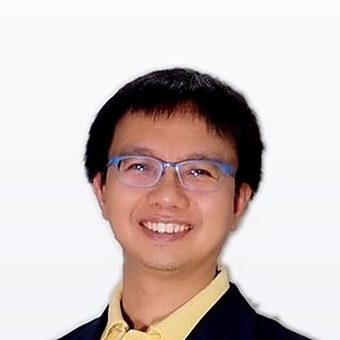
จีรศักดิ์ ม่วงชิน (Jeerasak Muangchin)
ผู้ตรวจประเมิน / วิทยากร – ระบบยานยนต์ คุณภาพ สิ่งแวดล้อม อาชีวอนามัยและความปลอดภัย และความมั่นคงปลอดภัยสารสนเทศ · ผู้ตรวจประเมินขึ้นทะเบียน IATF · Certified in Cybersecurity (CC) · DPO Certified Level 1 & 2 (ICDL)
- ปริญญาตรี เทคโนโลยีสารสนเทศและการสื่อสาร (มสธ.) · ปริญญาโท MBA (มหาวิทยาลัยรามคำแหง หลักสูตรนานาชาติ) · ปริญญาตรี วิศวกรรมไฟฟ้ากำลัง (มจธ.)
- Lead Auditor และวิทยากรกับหน่วยรับรองระดับสากลตั้งแต่ปี 2006 · เคยเป็นวิทยากรหลักที่ได้รับอนุมัติสำหรับหลักสูตร IRCA ISO 9001 Lead Auditor
- ประสบการณ์ 4 ปีในตำแหน่ง Division Manager โรงงานอุปกรณ์ไฟฟ้าและฉีดพลาสติก ทำงานกับทีม APQP, MSA, SPC และ QMS
- ตรวจประเมินและสอน IATF 16949, ISO 9001, ISO 14001, ISO 45001, ISO 22301, ISO 39001, ISO/IEC 17025, ISO/IEC 27001 และ 27701, ISO 13485, ISCC, RSPO, คาร์บอนฟุตพริ้นท์ (CFO/CFP), Core Tools (APQP, PPAP, FMEA, MSA, SPC), VDA 6.3 และ TISAX
ภาษาที่สอน: ไทยและอังกฤษ
วิทยากรของแต่ละรอบยืนยันเมื่อสมัคร
Course Summary
Value Engineering (VE) and Value Analysis (VA) apply engineering principles to analyse processes, with the main aim of reducing production cost.
Value engineering emerged during the Second World War, when raw materials, especially metals and steel, were in short supply. The United States was hit hard by the shortage while military demand for these materials was high, including an order for 1,000 turbo superchargers within a week for B-24 and B-29 aircraft. Lawrence Miles, a purchasing engineer at General Electric in the United States, was told to source the materials and produce the parts. Imagine how critical that was: a war under way and a shortage of materials for military equipment. Miles turned the crisis into an opportunity. After repeated attempts he arrived at the idea: "If we cannot find or make it, why not reduce the function?", meaning cutting what is unnecessary or switching to other materials that do the same job without lowering quality, but at lower cost. This was the origin of Value Engineering, which has kept developing ever since.
Value engineering focuses on improving the value of what is studied, for example raising quality, performance and safety, and lowering both direct cost and life-cycle cost. Examples include replacing an old, energy-hungry air conditioner with a more expensive unit that uses less electricity, so the total cost over its life cycle is lower; or changing road construction to a new method that costs more to build but is safer and cheaper to maintain, giving higher overall value.
Course objective
- Understand the principles of, and the need for, improvements that reduce cost without affecting product value
- Gain the knowledge and skills to make improvements using value engineering techniques (VA/VE)
Session Agenda
| Day and time | Topics |
|---|---|
| Day 1 09.00 - 16.00 | What Value Engineering / Value Analysis (VA/VE) is · History of value engineering · VA/VE steps · Defining functions · Collecting data on the VA/VE target · Defining product functions · Evaluating product functions · Analysing cost by function · Evaluating functions and selecting improvement points to reduce cost · Workshop · Preparing improvement proposals · Presenting cost-reduction ideas · Evaluating improvement ideas · Putting them into practice · Examples and case study · Workshop · Post-test |
| Day 1 16.00 - 16.30 | Course summary, suggestions, questions and answers |
Target Audience
Supervisors, engineers, department heads and anyone interested.