หลักสูตรฝึกอบรม
หลักสูตรเทคนิคการทำไคเซ็น และ ข้อเสนอแนะ Kaizen Technique and Suggestion
วิทยากรประจำหลักสูตร
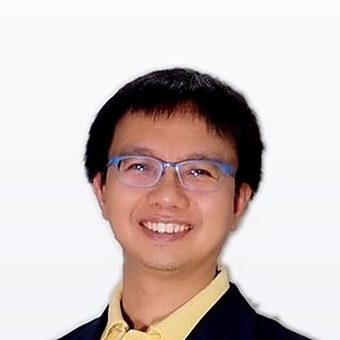
จีรศักดิ์ ม่วงชิน (Jeerasak Muangchin)
ผู้ตรวจประเมิน / วิทยากร – ระบบยานยนต์ คุณภาพ สิ่งแวดล้อม อาชีวอนามัยและความปลอดภัย และความมั่นคงปลอดภัยสารสนเทศ · ผู้ตรวจประเมินขึ้นทะเบียน IATF · Certified in Cybersecurity (CC) · DPO Certified Level 1 & 2 (ICDL)
- ปริญญาตรี เทคโนโลยีสารสนเทศและการสื่อสาร (มสธ.) · ปริญญาโท MBA (มหาวิทยาลัยรามคำแหง หลักสูตรนานาชาติ) · ปริญญาตรี วิศวกรรมไฟฟ้ากำลัง (มจธ.)
- Lead Auditor และวิทยากรกับหน่วยรับรองระดับสากลตั้งแต่ปี 2006 · เคยเป็นวิทยากรหลักที่ได้รับอนุมัติสำหรับหลักสูตร IRCA ISO 9001 Lead Auditor
- ประสบการณ์ 4 ปีในตำแหน่ง Division Manager โรงงานอุปกรณ์ไฟฟ้าและฉีดพลาสติก ทำงานกับทีม APQP, MSA, SPC และ QMS
- ตรวจประเมินและสอน IATF 16949, ISO 9001, ISO 14001, ISO 45001, ISO 22301, ISO 39001, ISO/IEC 17025, ISO/IEC 27001 และ 27701, ISO 13485, ISCC, RSPO, คาร์บอนฟุตพริ้นท์ (CFO/CFP), Core Tools (APQP, PPAP, FMEA, MSA, SPC), VDA 6.3 และ TISAX
ภาษาที่สอน: ไทยและอังกฤษ
วิทยากรของแต่ละรอบยืนยันเมื่อสมัคร
หลักการและเหตุผล
ทุกกิจกรรมมีการใช้ปัจจัยสำหรับการผลิต เช่น คน เครื่องจักรอุปกรณ์ วิธีการ วัตถุดิบ และ สภาพแวดล้อม ซึ่งปัจจัยเหล่านี้ใช้เพื่อสำหรับการเพิ่มผลลิตซึ่งจะต้องทำงานร่วมกันอย่างเหมาะสม แต่ปัญหาที่พบคือไม่มีปัจจัยใดที่จะมีสภาพที่สมบูรณ์ได้ตลอด จึงทำให้เกิดปัญหาขึ้นในการปฏิบัติงาน ทำให้เกิดทั้งความสูญเสียและสูญเปล่า ซึ่งจำเป็นต้องได้รับการแก้ไขเพื่อทำให้สภาพการทำงานเป็นปกติ
Kaizen คือปรัชญาและวิธีการ “ปรับปรุงอย่างต่อเนื่อง” แนวคิดนี้เกิดขึ้นที่ประเทศญี่ปุ่น ช่วงหลังสงครามโลกครั้งที่ 2 อเมริกาได้ส่งผู้เชี่ยวชาญชาวอเมริกา มาช่วยในการพัฒนาอุตสาหกรรมของญี่ปุ่นในช่วง ค.ศ. 1949-1950 โดย W. Edwards Deming ได้มีการเข้ามาฝึกอบรมเรื่องการใช้สถิติในการควบคุมคุณภาพ
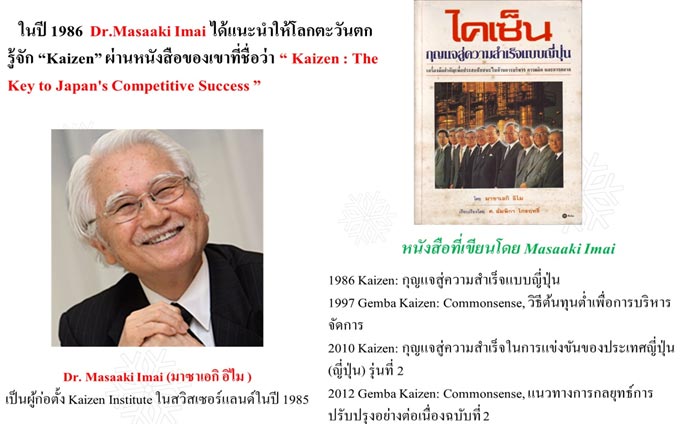
ต่อมาในปี ค.ศ. 1951 The Economic and Scientific Section (ESS) ได้รับมอบหมายให้มีการพัฒนาทักษะด้านการจัดการให้กับระดับหัวหน้างาน โดยใช้หลักการของ Training Within Industry (TWI) ซึ่งก็สามารถประสบความสำเร็จอย่างสูงและเป็นหลักสูตรภาคบังคับสำหรับหัวหน้างานทุกระดับหนึ่งในโปรแกรมฝึกอบรมนั้นคือ “การปรับปรุงใน 4 ขั้นตอน” หรือที่เรียกว่า “Kaizen Eno Yon Dankai.” ซึ่งเป็นจุดเริ่มต้นที่ทำให้คนญี่ปุ่นรู้จักคำว่า Kaizen จากนั้นกลุ่มอุตสาหกรรมรถยนต์ TOYOTA ได้มีการนำหลักการดังกล่าวมาพัฒนาต่อ ใน ค.ศ. 1930 โดย Dr. Taiichi Ono and Dr. Shigeo Shingo สองคนนี้ร่วมกันพัฒนาปรัชญาและวิธีการ Kaizen โดยใช้เครื่องมือพื้นฐานที่มีอยู่ในหลักการ Job method คือ 5W1H และ ECRS เข้ามาใช้โดยมีวัตถุประสงค์หลักคือการระบุและกำจัด “Muda” หรือของเสียในทุกพื้นที่รวมทั้งกระบวนการผลิตและในปี 1986 Dr. Masaaki Imai ได้แนะนำให้โลกตะวันตกรู้จัก “Kaizen” ผ่านหนังสือของเขาที่ชื่อว่า “Kaizen: The Key to Japan’s Competitive Success”
วัตถุประสงค์หลักสูต
- เพื่อทำให้พนักงานในทุกระดับเข้าใจแนวคิดและหลักการ KAIZEN และมีทักษะในการดำเนินงาน Kaizen โดยผ่านระบบข้อเสนอแนะ Suggestion System
รายละเอียดหลักสูตร
| วันและเวลา | หัวข้อการอบรม |
| 09:00 – 16:00 |
|
| 16:00 – 16:30 | สรุปการอบรม และการถามตอบ |
ผู้ที่เหมาะสมเข้ารับการอบรม
หัวหน้างาน พนักงาน และผู้ที่สนใจ
Course Summary
Every activity uses production factors such as people, machines and equipment, methods, materials and environment. These factors must work together properly to raise productivity, but none of them stays in perfect condition all the time, so problems arise at work, causing losses and waste that must be corrected to bring work back to normal.
Kaizen is a philosophy and method of "continuous improvement" that originated in Japan. After the Second World War, the United States sent experts to help develop Japanese industry; in 1949-1950 W. Edwards Deming trained Japanese industry in using statistics for quality control.
In 1951 the Economic and Scientific Section (ESS) was assigned to develop management skills for supervisors using Training Within Industry (TWI). It was highly successful and became compulsory for supervisors at every level. One of its programmes was "improvement in 4 steps" (Kaizen eno Yon Dankai), which is how Japanese people came to know the word Kaizen. Toyota then developed these principles further: Taiichi Ohno and Shigeo Shingo built the Kaizen philosophy and method using basic Job Method tools, 5W1H and ECRS, with the main aim of identifying and eliminating "Muda" (waste) in every area, including production. In 1986 Masaaki Imai introduced Kaizen to the Western world through his book "Kaizen: The Key to Japan's Competitive Success".
Course objective
- Help employees at every level understand the Kaizen concept and principles and gain the skills to carry out Kaizen through a suggestion system
Session Agenda
| Day and time | Topics |
|---|---|
| Day 1 9.00 - 16.00 | Introduction and history of Kaizen · Types of Kaizen · Kaizen goals and results · Finding improvement points in the workplace · The 8 wastes; Muda, Mura, Muri; environment and safety · Using ECRS · Simple analysis and improvement ideas with 5W1H · Building a Kaizen suggestion system: individual and small-group · Example suggestion forms · Examples of simple improvements · Workshop: proposing Kaizen ideas · Checking results · Setting evaluation criteria · Promoting the activity · Post-test |
| Day 1 16.00 - 16.30 | Course summary, suggestions, questions and answers |
Target Audience
Supervisors, employees and anyone interested.