
การรับรองมาตรฐาน
การรับรอง Codex GMP/GHPs &HACCP General principles of food hygiene
การรับรอง GHPs และ HACCP ตามหลักเกณฑ์ทั่วไปด้านสุขลักษณะอาหารของ Codex (General Principles of Food Hygiene)
ข้อมูลโปรแกรม (Attributes)
- ชื่อโปรแกรม: GHPs and HACCP Certification
- เกณฑ์การรับรอง: General Principles of Food Hygiene CXC 1-1969, Revised 2022 และกฎบัตรลูกค้า (Client Charter)
- กลุ่มองค์กร: ทุกองค์กรในห่วงโซ่อาหาร
- ขอบเขต: ระดับสากล (International)
- ผลลัพธ์ที่ได้รับ: ใบรับรอง Certificate of Confidence
- อายุการรับรอง: 3 ปี ภายใต้เงื่อนไขการรักษาการรับรองอย่างต่อเนื่อง
- ผลที่คาดหวัง: การรับรองสร้างความเชื่อมั่นแก่องค์กร ลูกค้า หน่วยงานกำกับดูแล และ/หรือผู้มีส่วนได้เสียอื่นว่าองค์กรสามารถจัดการสุขลักษณะอาหารได้อย่างมีประสิทธิผลในห่วงโซ่อาหารที่เกี่ยวข้อง
ความเป็นมา
ความปลอดภัยของอาหารเกี่ยวข้องกับการมีอยู่ของอันตรายในอาหาร ณ จุดบริโภค (เมื่อผู้บริโภครับประทาน) เนื่องจากอันตรายด้านความปลอดภัยของอาหารอาจเกิดขึ้นได้ในทุกขั้นตอนของห่วงโซ่อาหาร การควบคุมที่เพียงพอตลอดทั้งห่วงโซ่อาหารจึงเป็นสิ่งจำเป็น ความปลอดภัยของอาหารเกิดจากความร่วมมือของทุกฝ่ายที่มีส่วนร่วมในห่วงโซ่อาหาร หลักเกณฑ์ทั่วไปด้านสุขลักษณะอาหาร CXC 1-1969, Revised 2022 กำหนดหลักการทั่วไปด้านสุขลักษณะอาหาร ซึ่งเมื่อนำไปใช้เป็นส่วนหนึ่งของระบบการจัดการโดยรวม จะสร้างความเชื่อมั่นได้ว่าจะบรรลุผลลัพธ์ด้านความปลอดภัยของอาหาร
ขั้นตอนการขอรับรอง
ในฐานะองค์กรผู้ขอรับการรับรอง ขั้นตอนที่เกี่ยวข้องมีดังนี้
- การยื่นขอการรับรอง: พิจารณาและตอบรับข้อเสนอ (Proposal) ที่จัดทำเฉพาะสำหรับองค์กรของท่าน จากนั้นกระบวนการจะเริ่มต้นทันที
- การได้รับการรับรอง: ขั้นแรกจะมีการตรวจประเมินขั้นต้นก่อนการรับรอง (pre-certification audit หรือ Stage 1) ซึ่งดำเนินการที่สถานประกอบการของท่าน หรือที่สำนักงานของเรา หรือทั้งสองแห่ง เพื่อพิจารณาว่าระบบการจัดการของท่านมีความพร้อมเพียงพอหรือไม่ ประเด็นที่พบจะได้รับการรายงาน เมื่อท่านดำเนินการกับประเด็นเหล่านั้นแล้ว จะมีการตรวจประเมินเพื่อการรับรอง ณ สถานประกอบการ (certification audit หรือ Stage 2) ซึ่งเราจะตรวจสอบว่าองค์กรของท่านดำเนินการตามเกณฑ์ของโปรแกรมได้เพียงใด ประเด็นที่พบจะได้รับการรายงานเช่นกัน เมื่อเราพิจารณาแล้วว่าไม่มีประเด็นค้างที่ก่อความเสี่ยงในระดับที่ยอมรับไม่ได้ต่อองค์กรของท่าน พนักงาน ลูกค้า หน่วยงานกำกับดูแล Equal Assurance หรือผู้อื่น เราจึงออกใบรับรอง Certificate of Confidence ให้
- การรักษาการรับรอง: เราจะดำเนินการตรวจติดตาม (surveillance audit) เป็นระยะตามระดับความเสี่ยง (ในบางกรณีอาจมีการตรวจพิเศษและการตรวจติดตามผลเพิ่มเติม) และตรวจประเมินเพื่อต่ออายุการรับรอง (re-certification audit) ทุก 3 ปี เพื่อตรวจสอบว่าองค์กรของท่านยังคงดำเนินการตามเกณฑ์ของโปรแกรม ประเด็นที่พบจะได้รับการรายงาน ตราบใดที่เรายังพิจารณาว่าไม่มีประเด็นค้างที่ก่อความเสี่ยงในระดับที่ยอมรับไม่ได้ต่อองค์กรของท่าน พนักงาน ลูกค้า หน่วยงานกำกับดูแล Equal Assurance หรือผู้อื่น การรับรองของท่านจะยังคงมีผล
ขั้นตอนการขอรับรองระบบ GHPs และ HACCP กับ EQA Thailand
สำหรับผู้ประกอบการอาหารที่วางแผนจะขอการรับรองระบบ GHPs และ HACCP ลำดับการดำเนินงานเป็นดังนี้
1. ยื่นใบสมัคร
กรอกใบสมัครขอรับการรับรองในแบบฟอร์มท้ายหน้านี้ (กรอกเลขประจำตัวผู้เสียภาษี ระบบจะดึงชื่อและที่อยู่บริษัทให้) EQA จะจัดทำข้อเสนอ (Proposal) ให้พิจารณาก่อนเริ่มการตรวจ
2. การตรวจประเมินขั้นที่ 1 (Stage 1)
วัตถุประสงค์ของ Stage 1 คือ
- ทบทวนระบบเอกสาร GHPs และ HACCP
- ประเมินสถานที่ผลิตหรือที่ตั้งว่ามีเงื่อนไขเฉพาะหรือไม่ และหารือกับบุคลากรของลูกค้าเพื่อกำหนดความพร้อมสำหรับ Stage 2
- ทบทวนสถานะและความเข้าใจของลูกค้าเกี่ยวกับข้อกำหนด GHPs และ HACCP โดยเฉพาะการระบุสมรรถนะหลัก ประเด็นสำคัญ กระบวนการ วัตถุประสงค์ และการทำงานของระบบการจัดการ
- รวบรวมข้อมูลที่จำเป็นเกี่ยวกับขอบเขตของระบบ ได้แก่ สถานที่ตั้ง กระบวนการและอุปกรณ์ที่ใช้ ระดับการควบคุมที่กำหนดขึ้น (โดยเฉพาะกรณีลูกค้าหลายสถานที่) และข้อกำหนดทางกฎหมายที่เกี่ยวข้อง
- ทบทวนการจัดสรรทรัพยากรสำหรับ Stage 2 และตกลงรายละเอียดของ Stage 2 กับลูกค้า
- ทำความเข้าใจระบบการจัดการและการปฏิบัติงานของสถานที่ผลิตอย่างเพียงพอเพื่อวางแผน Stage 2
- ประเมินว่ามีการวางแผนและดำเนินการตรวจติดตามภายในและการทบทวนระบบ GHPs และ HACCP แล้วหรือไม่ และระดับการนำระบบไปใช้ยืนยันได้ว่าลูกค้าพร้อมสำหรับ Stage 2
เอกสารและบันทึกที่ผู้ตรวจประเมินจะทบทวนใน Stage 1
- ใบอนุญาตผลิตอาหาร (อ.2 หรือ สบ.1) กรณีเป็นผู้ประกอบการผลิตอาหาร
- นโยบายของบริษัทด้านการผลิตอาหารที่ปลอดภัย
- แผนผังโรงงาน (Layout)
- การควบคุมการผลิตขั้นต้น (การคัดเลือกและประเมินผู้ขาย)
- การฝึกอบรมพนักงานและการประเมินความสามารถ พร้อมบันทึก (เช่น พนักงานที่จัดการขยะอันตราย เจ้าหน้าที่ประจำจุด CCP ความรู้พื้นฐานด้านสารก่อภูมิแพ้)
- การซ่อมบำรุงโครงสร้างอาคาร เครื่องจักร และอุปกรณ์
- การจัดการสัตว์พาหะ
- การทำความสะอาด
- การกำจัดขยะและของเสีย
- การควบคุมแก้วและพลาสติกแข็ง
- การตรวจสุขภาพพนักงาน
- การควบคุมคุณภาพ
- การควบคุมกระบวนการผลิต (การเตรียมวัตถุดิบ การผลิต การบรรจุ)
- การจัดเก็บวัตถุดิบ ผลิตภัณฑ์ระหว่างกระบวนการ และผลิตภัณฑ์สำเร็จรูป
- การชี้บ่งและสอบกลับได้ ตั้งแต่รับวัตถุดิบจนถึงจัดส่งสินค้า
- การเรียกคืนสินค้า
- การตรวจสอบและควบคุมคุณภาพน้ำ
- การควบคุมการใช้สารเคมี
- การตรวจรับวัตถุดิบ
- การสอบเทียบเครื่องมือวัด
- ข้อกำหนดเฉพาะ (Specification) ของวัตถุดิบและผลิตภัณฑ์สำเร็จรูป
- การออกแบบฉลาก
- การควบคุมการขนส่ง
- คู่มือระบบ GHPs และ HACCP
- ผลการทวนสอบความใช้ได้ (Validation) ของจุด CCP
- ผลการศึกษาอายุผลิตภัณฑ์
- ผลการตรวจสอบคุณภาพผลิตภัณฑ์สำเร็จรูป
- ผลการสอบเทียบอุปกรณ์ที่เกี่ยวข้องกับจุด CCP และคุณภาพผลิตภัณฑ์
- ผลการตรวจคุณภาพน้ำ น้ำแข็ง และไอน้ำ
- บันทึกการเฝ้าระวังจุด CCP
- การตรวจติดตามภายใน (Internal Audit)
- การทบทวนระบบ HACCP
ผลจาก Stage 1: เป็นการยืนยันว่าบริษัทพร้อมรับการตรวจเพื่อการรับรอง (Stage 2) โดยทั่วไปสามารถกำหนดวันตรวจ Stage 2 ได้ภายในประมาณ 1 เดือนหลัง Stage 1 หรือเร็วกว่านั้นตามความพร้อมของบริษัท หากผู้ตรวจประเมินพิจารณาหลักฐานด้านโครงสร้าง ความรู้ความเข้าใจของพนักงาน และระบบเอกสารและบันทึกแล้วเห็นว่ายังไม่พร้อมสำหรับ Stage 2 จะมีการตรวจ Stage 1 ซ้ำอีกครั้ง
3. การตรวจประเมินขั้นที่ 2 (Stage 2)
Stage 2 มีวัตถุประสงค์เพื่อประเมินการนำระบบไปใช้และประสิทธิผลของระบบ GHPs และ HACCP ดำเนินการ ณ สถานที่ผลิตของลูกค้า และครอบคลุมอย่างน้อยดังนี้
- ข้อมูลและหลักฐานการปฏิบัติตามข้อกำหนดทั้งหมดของมาตรฐานหรือเอกสารอื่นที่เกี่ยวข้อง
- การติดตามสมรรถนะ การวัด การรายงาน และการทบทวนเทียบกับวัตถุประสงค์และเป้าหมายหลัก
- ความสามารถของระบบการจัดการและสมรรถนะของระบบในการปฏิบัติตามกฎหมาย ข้อบังคับ และสัญญา
- การควบคุมการปฏิบัติงานของกระบวนการของลูกค้า
- การตรวจติดตามภายในและการทบทวนระบบ GHPs และ HACCP
- ความรับผิดชอบของฝ่ายบริหารต่อนโยบายของลูกค้า
ผลจาก Stage 2:
- ผลการตรวจประเมินที่สามารถเสนอให้ได้รับการรับรอง
- หากพบประเด็นความไม่สอดคล้อง ลูกค้าต้องดำเนินการแก้ไขให้แล้วเสร็จก่อนจึงจะเสนอให้ได้รับการรับรอง
- หากพบประเด็นระดับ Major และไม่สามารถทวนสอบการแก้ไขและการดำเนินการแก้ไขได้ภายใน 6 เดือนนับจากวันสุดท้ายของ Stage 2 จะต้องดำเนินการ Stage 2 อีกครั้งก่อนเสนอให้การรับรอง
4. การตรวจติดตาม (Surveillance audit)
เป็นการตรวจ ณ สถานที่ผลิต เพื่อให้มั่นใจว่าองค์กรยังคงรักษาระบบไว้ตลอดช่วงก่อนถึงการต่ออายุใบรับรอง การตรวจแต่ละครั้งครอบคลุม
- การตรวจติดตามภายในและการทบทวนระบบ
- การทบทวนการดำเนินการต่อประเด็นจากการตรวจครั้งก่อน
- การจัดการข้อร้องเรียน
- ประสิทธิผลของระบบ GHPs และ HACCP
- ความคืบหน้าของกิจกรรมที่วางแผนไว้เพื่อการปรับปรุงอย่างต่อเนื่อง
- การควบคุมการปฏิบัติงานอย่างต่อเนื่อง
- การทบทวนการเปลี่ยนแปลงใด ๆ
- การใช้เครื่องหมายรับรองและ/หรือการอ้างอิงถึงการรับรอง
5. การตรวจเพื่อต่ออายุใบรับรอง (Recertification audit)
ต้องวางแผนและดำเนินการตรวจเพื่อต่ออายุใบรับรอง เพื่อประเมินการปฏิบัติตามข้อกำหนดทั้งหมดของ GHPs และ HACCP หรือเอกสารอื่นที่เกี่ยวข้องอย่างต่อเนื่อง โดยกำหนดเวลาให้สามารถต่ออายุได้ทันก่อนวันหมดอายุของใบรับรอง อย่างช้าไม่น้อยกว่า 30 วัน
รายละเอียดเพิ่มเติมติดต่อที่
โทร: +66 (0)63 187 9718
อีเมล: eqa.training@equalassurancethai.com
ขั้นตอนการตรวจรับรองกับ EQA
เจ็ดขั้นตอนตั้งแต่ยื่นใบสมัครจนถึงใบรับรองที่รักษาไว้ตลอดรอบ 3 ปี แต่ละขั้นมีบทความอธิบายรายละเอียด
- ยื่นใบสมัคร
กรอกใบสมัครออนไลน์บนหน้าการตรวจรับรอง ระบุขอบข่าย สถานประกอบการ จำนวนพนักงาน และมาตรฐานที่ต้องการ ขั้นนี้ไม่มีค่าใช้จ่าย อ่านเพิ่มเติม →
- ทบทวนใบสมัครและใบเสนอราคา
EQA ตรวจสอบว่าขอบข่ายอยู่ในความสามารถของหน่วยรับรอง และคำนวณจำนวนวันตรวจตาม IAF MD 5 ใบเสนอราคาจึงคิดจากองค์กรของท่าน ไม่ใช่ราคาตายตัว อ่านเพิ่มเติม →
- ทำสัญญาและวางแผนการตรวจ
เมื่อตอบรับใบเสนอราคา EQA แต่งตั้งทีมผู้ตรวจที่ไม่มีงานที่ปรึกษาหรือผลประโยชน์ทับซ้อนกับองค์กรของท่าน และนัดหมายวันตรวจร่วมกัน อ่านเพิ่มเติม →
- การตรวจ Stage 1
ทบทวนความพร้อมของระบบเอกสาร ขอบข่าย ทะเบียนกฎหมาย การตรวจติดตามภายใน และการทบทวนฝ่ายบริหาร ท่านได้รับรายงานสิ่งที่ต้องแก้ไขก่อน Stage 2 อ่านเพิ่มเติม →
- การตรวจ Stage 2
ตรวจการปฏิบัติจริง ณ สถานประกอบการ ทั้งบันทึก การสัมภาษณ์ และการสังเกตหน้างาน เทียบกับข้อกำหนดทุกข้อของมาตรฐาน อ่านเพิ่มเติม →
- ปิดข้อบกพร่องและการตัดสินให้การรับรอง
ท่านส่งการแก้ไขและการปฏิบัติการแก้ไขสำหรับข้อบกพร่องที่พบ การตัดสินให้การรับรองทำโดยผู้ที่ไม่ได้อยู่ในทีมตรวจ อ่านเพิ่มเติม →
- ใบรับรองและรอบ 3 ปี
ใบรับรองมีอายุ 3 ปี มีการตรวจเฝ้าระวังในปีที่ 1 และ 2 และตรวจต่ออายุก่อนใบรับรองหมดอายุ องค์กรที่ได้รับการรับรองใช้เครื่องหมาย EQA ได้ตามหลักเกณฑ์ อ่านเพิ่มเติม →
EQA ไม่ระบุระยะเวลาดำเนินการตายตัว เพราะจำนวนวันตรวจขึ้นกับขนาดและความซับซ้อนของแต่ละองค์กร ขอใบเสนอราคาเพื่อรับกำหนดการสำหรับองค์กรของท่าน
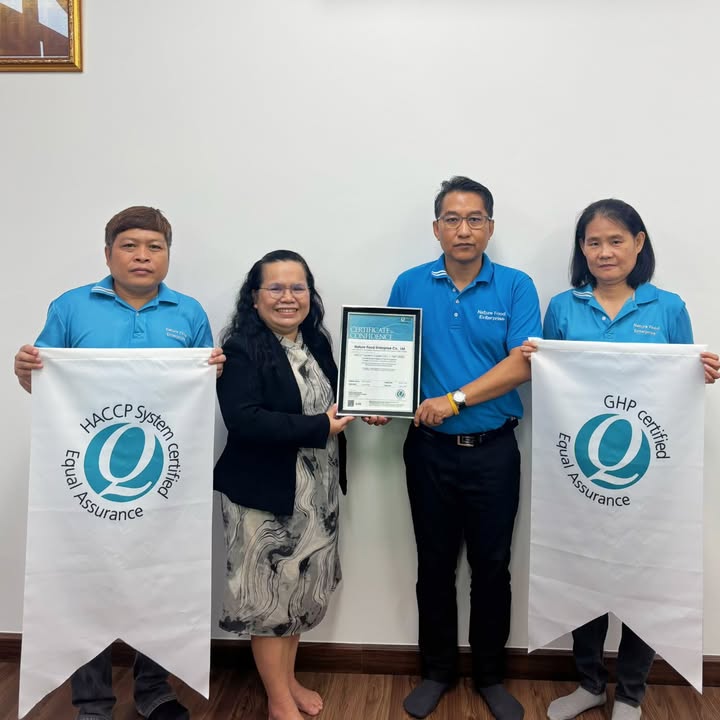
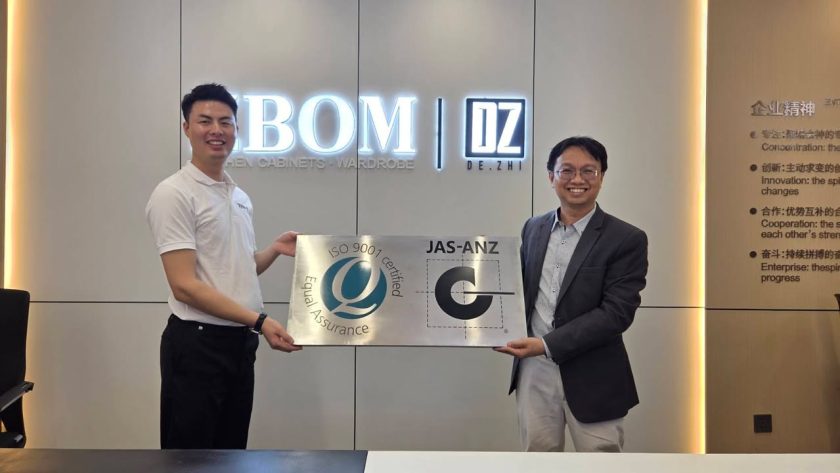
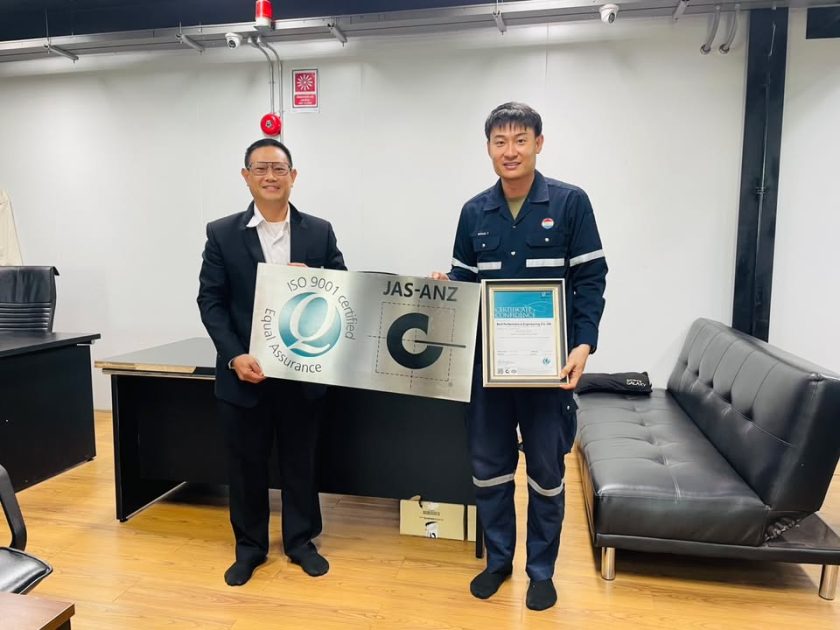
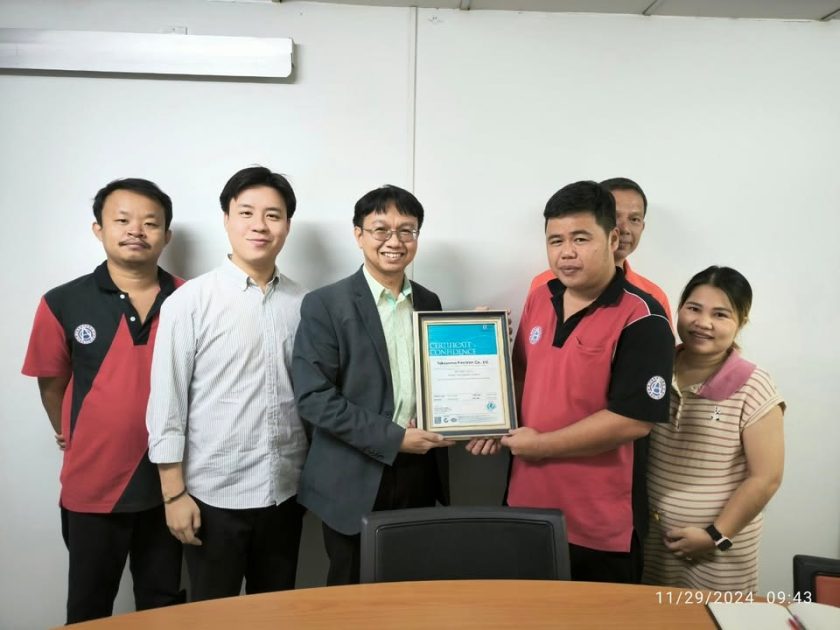
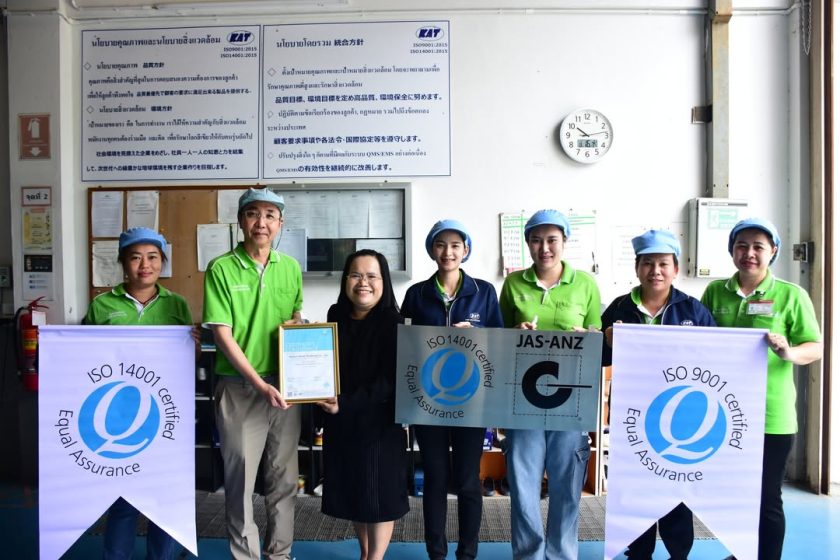
องค์กรที่ผ่านการตรวจรับรองกับ EQA

คู่มือสำหรับผู้ที่กำลังเลือกหน่วยรับรอง
ก่อนยื่นใบสมัคร บทความชุดนี้อธิบายสิ่งที่ควรตรวจสอบ ปัจจัยที่กำหนดค่าใช้จ่ายและระยะเวลา และสิ่งที่ต้องทำหลังได้รับใบรับรอง
GHPs and HACCP Certification — Codex General Principles of Food Hygiene
Attributes
- Name: GHPs and HACCP Certification
- Criteria: General Principles of Food Hygiene CXC 1-1969, Revised 2022, and Client Charter
- Market: All organizations within the food chain
- Scope: International
- Output: Certificate of Confidence
- Validity: 3 years, subject to on-going requirements
- Outcome: Certification gives confidence to the organization, its customers, regulators and/or other interested parties in the ability to effectively manage food hygiene within the relevant food chain.
Background
Food safety is related to the presence of food-borne hazards in food at the point of consumption (intake by the consumer). As the introduction of food safety hazards can occur at any stage of the food chain, adequate control throughout the food chain is essential. Food safety is ensured through the combined efforts of all parties participating in the food chain. The General Principles of Food Hygiene CXC 1-1969, Revised 2022, specifies general principles for food hygiene that, when taken as part of an overall management system, can provide confidence in the achievement of positive food safety outcomes.
The process
As an organisation, the steps involved for you are:
- Applying for certification: Review and accept our customised Proposal, and you're underway.
- Achieving certification: Firstly, a pre-certification audit (Stage 1) will be conducted either on-site (at your premises) or off-site (at our premises) or both, to see whether your management system is suitable. Areas of concern will be reported. Once concerns have been actioned, an on-site certification audit (Stage 2) will be conducted, where we examine the extent to which you address the program criteria. Areas of concern will be reported. Once we are satisfied there are no outstanding issues that present an unacceptable risk to you, your employees, customers, regulators, Equal Assurance or others, we can proceed to issue a Certificate of Confidence.
- Maintaining certification: Depending on the level of risk, we will conduct a series of surveillance audits (and in some cases special and follow-up audits) and tri-ennial re-certification audits, to examine the extent to which you continue to address the program criteria. Areas of concern will be reported. So long as we continue to be satisfied there are no outstanding issues that present an unacceptable risk to you, your employees, customers, regulators, Equal Assurance or others, your certification remains valid.
Certification process for GHPs and HACCP with EQA Thailand
For food operators planning to apply for GHPs and HACCP certification, the sequence is as follows.
1. Application
Complete the certification application form at the end of this page (enter your tax ID and the company name and address are filled in for you). EQA prepares a Proposal for your review before any audit begins.
2. Stage 1 audit
The objectives of Stage 1 are to:
- Review the GHPs and HACCP documentation.
- Assess the production site or location for any site-specific conditions, and discuss with your personnel to determine readiness for Stage 2.
- Review your status and understanding of the GHPs and HACCP requirements, in particular the identification of key performance, significant aspects, processes, objectives and the operation of the management system.
- Collect the necessary information on the scope of the system: locations, processes and equipment used, the level of control established (particularly for multi-site clients) and applicable statutory and regulatory requirements.
- Review the allocation of resources for Stage 2 and agree the details of Stage 2 with you.
- Gain sufficient understanding of the management system and site operations to plan Stage 2.
- Confirm that internal audits and the GHPs and HACCP system review are planned and performed, and that the level of implementation shows readiness for Stage 2.
Documents and records the auditor reviews at Stage 1
- Food production licence (Or. 2 or Sor. Bor. 1) for food manufacturers
- Company policy on producing safe food
- Factory layout
- Control of primary production (supplier selection and evaluation)
- Personnel training and competence evaluation, with records (for example hazardous-waste handlers, CCP operators, basic allergen awareness)
- Maintenance of buildings, machinery and equipment
- Pest management
- Cleaning
- Waste disposal
- Control of glass and hard plastics
- Personnel health checks
- Quality control
- Process control (raw-material preparation, production, packing)
- Storage of raw materials, work in progress and finished products
- Identification and traceability from receipt of raw materials to dispatch
- Product recall
- Water quality testing and control
- Chemical control
- Incoming raw-material inspection
- Calibration of measuring equipment
- Specifications for raw materials and finished products
- Label design
- Transport control
- GHPs and HACCP manual
- CCP validation results
- Shelf-life study results
- Finished-product quality test results
- Calibration results for equipment related to CCPs and product quality
- Test results for water, ice and steam
- CCP monitoring records
- Internal audit
- HACCP system review
Outcome of Stage 1: confirmation that the company is ready for the certification audit (Stage 2). Stage 2 can normally be scheduled within about one month after Stage 1, or sooner depending on the company's readiness. If the auditor concludes from the evidence on premises, personnel understanding, and documents and records that the company is not yet ready for Stage 2, Stage 1 is repeated.
3. Stage 2 audit
Stage 2 assesses the implementation and effectiveness of the GHPs and HACCP system. It takes place at your production site and covers at least the following:
- Information and evidence of conformity with all requirements of the standard or other relevant documents.
- Performance monitoring, measurement, reporting and review against key objectives and targets.
- The ability of the management system, and its performance, in meeting statutory, regulatory and contractual requirements.
- Operational control of your processes.
- Internal audits and review of the GHPs and HACCP system.
- Management responsibility for your policies.
Outcome of Stage 2:
- An audit result that can be recommended for certification.
- Where nonconformities are found, you must complete the corrective action before certification can be recommended.
- Where a major nonconformity is found and its correction and corrective action cannot be verified within 6 months of the last day of Stage 2, another Stage 2 must be conducted before certification can be recommended.
4. Surveillance audit
Surveillance audits take place at the production site to confirm that the organization maintains the system between certification and recertification. Each surveillance audit covers:
- Internal audits and system review.
- Review of actions taken on findings from the previous audit.
- Handling of complaints.
- Effectiveness of the GHPs and HACCP system.
- Progress of planned activities aimed at continual improvement.
- Continuing operational control.
- Review of any changes.
- Use of marks and/or any other reference to certification.
5. Recertification audit
A recertification audit is planned and conducted to assess continued fulfilment of all requirements of GHPs and HACCP or other relevant documents. It is scheduled so that recertification can be completed before the certificate expiry date, at the latest 30 days before expiry.
Further information
Tel: +66 (0)63 187 9718
E-mail: eqa.training@equalassurancethai.com
How certification with EQA works
Seven steps from application to a certificate that is maintained over a three-year cycle. Each step links to a guide with more detail.
- Application
Fill in the online application on the certification page: scope, sites, headcount and the standard. No fee at this step. Read more →
- Application review and quotation
EQA checks that the scope is within its competence and calculates the audit time under IAF MD 5, so the quotation is based on your organisation, not a list price. Read more →
- Agreement and audit planning
Once you accept, EQA assigns an audit team with no consultancy or other conflict of interest with your organisation and agrees the audit dates with you. Read more →
- Stage 1 audit
A readiness review of your documented system, scope, legal register, internal audit and management review. You receive a report of anything to resolve before Stage 2. Read more →
- Stage 2 audit
On-site audit of how the system works in practice: records, interviews and observation against every requirement of the standard. Read more →
- Closing findings and the certification decision
You submit corrections and corrective actions for any nonconformity. The decision to certify is taken by a person who was not on the audit team. Read more →
- Certificate and the three-year cycle
The certificate is valid for three years, with surveillance audits in years one and two and a recertification audit before expiry. Certified organisations may use the EQA mark under its rules. Read more →
EQA does not publish turnaround times, because audit time depends on the size and complexity of each organisation. Ask for a quotation to get dates for your case.
Organisations certified with EQA
Choosing a certification body: guides
Before you apply, these guides explain what to check, what affects cost and timing, and what happens after the certificate is issued. Articles are in Thai.